Visualizzazione post con etichetta tradition. Mostra tutti i post

sabato 6 giugno 2026

Lu Jovi di li Mastri - Gratteri's Drummers


photo from video di Vincenzo Di Majo


Gratteri è un piccolo paese di confine, là dove si incontrano le province di Messina e di Palermo. Il comune rientra in questo secondo distretto, sebbene si trovi più vicino a Cefalù che al capoluogo siciliano e non sono poche le bellezze affascinanti che può offrire al turista che decida, per una volta, di andare oltre "i soliti luoghi". 

Aggrappato tra i boschi delle Madonie, Gratteri ha un minuscolo centro storico dove si trovano chiese medievali (Matrice Vecchia, Santa Maria di Gesù, Sant'Elia, Sant'Andrea) e un castello di epoca normanna; mentre due abbazie di epoca precedente si possono ammirare nelle vicinanze - Santa Anastasia e la diroccata, ma bellissima, San Giorgio (foto in basso). A circa 300 m dall'abitato, invece, sotto il monte Pizzo di Pilo, sorge la grotta di "Grattara", il cui toponimo ha probabilmente contribuito a dare il nome al paese. Questo luogo viene così descritto dagli storici locali: "una conca di sedici piedi di altezza e dieci di larghezza, la cui sommità è vuota come un cratere formato dallo stillicidio perenne delle acque". Vi si accede tramite gradini scavati nella roccia.


In giugno, solitamente il primo giovedì dopo il Corpus Domini, il paese si ferma per celebrare l'evento noto come LU JOVI DI LI MASTRI (il giovedì dei maestri artigiani): il parroco porta in processione l'ostia consacrata, preceduto da file di piccoli ministranti vestiti di bianco e seguito da tutti gli abitanti. Ad aprire la processione sono le insegne delle corporazioni artigiane del paese e i "tammuriaturi". L'usanza di suonare decine di tamburi davanti alla processione risale a tempi antichi in cui, per spaventare i lupi e tenerli lontani dalle vie de paese in festa, venivano mandati avanti gli uomini a fare rumore per far fuggire gli animali. Anche per questo la "tammuriata" (VIDEO QUI) viene chiamata A TUCCATA D'I LUPI.


Gratteri is a small border town, where the districts of Messina and Palermo meet. The municipality is part of the latter, although it is closer to Cefalù than to the Sicilian capital. It offers many fascinating sights to tourists who decide, for once, to venture beyond the "usual Sicilian destinations."

Clinging to the woods of the Madonie mountains, Gratteri has a tiny historic core home to medieval churches (Old Parish, Santa Maria di Gesù, St Eliah, St Andrew) and a Norman castle. Two abbeys, dating much earlier in time, can be admired nearby: St Anastasia and the ruined but beautiful St George Abbey (small photo above). About 300 meters away from the town, beneath Mount Pizzo di Pilo, lies the "Grattara" cave, whose name likely contributed to the town's name. This place is described by local historians as "a basin sixteen feet high and ten feet wide, whose summit is hollow like a crater formed by the perpetual dripping of water" . You enter the cave via steps carved into the rock.

In June, usually on the first Thursday after Corpus Christi Day, the town comes to a halt to celebrate the event known as LU JOVI DI LI MASTRI (Master Craftsmen's Thursday). The parish priest carries the consecrated host in procession, preceded by rows of small altar kids dressed in white and followed by all the residents. Leading the procession are the insignia of the town's artisan guilds and the "tammuriaturi" (the drummers). The custom of beating dozens of drums before the procession dates back to ancient times when, in order to scare away wolves and keep them away from the streets of the town during the celebration, men were sent ahead to make noise. This is also why the drumming procession (VIDEO HERE) is called A TUCCATA D'I LUPI (The Wolves' Escape).


giovedì 21 maggio 2026

U MUZZUNI pagano di Alcara Li Fusi - The Pagan Muzzuni


PHOTO FROM GDS . IT/messina

Ad Alcàra Li Fusi, in provincia di Messina, esiste una tradizione che si svolge senza interruzione fin dal X secolo avanti Cristo! E, nonostante le aggiunte cristiane, conserva ancora rituali e simbologie paganeggianti che richiamano al mito della Madre Terra.

Il termine “Muzzuni” pare si riferisca ai fasci di spighe mozzati (vengono separati i gambi più duri dalle parti tenere) che venivano offerti alle dee Demetra (Terra) e Kore (Vegetazione) per ringraziare del buon raccolto e propiziarne uno altrettanto buono l'anno seguente. La celebrazione avveniva il 21 giugno, in onore dell'arrivo dell'estate. Con la introduzione della tradizione cristiana, la festa venne spostata al 24 giugno (San Giovanni Battista) e quindi il termine "muzzuni" fu riferito alla testa mozzata del Santo.
La Festa du Muzzuni è considerata una delle più antiche d'Italia e ancora oggi conserva rituali pagani che nulla hanno a che vedere con il santo. La sera del 24 giugno, le donne del paese preparano "gli altarini" agli angoli delle strade: tappeti colorati creati a telaio, fiori, attrezzi contadini e vasi faranno da contorno al Muzzuni - una brocca dal collo corto, rivestita da un foulard di seta ed adorna di ori appartenenti alle famiglie del quartiere, dalla cui sommità fuoriescono steli di orzo e grano fatti germogliare al buio, lavanda, spighe di grano già maturato e dei garofani.
La deposizione del Muzzuni avviene con una processione paganissima, durante la quale "la sacerdotessa" (una giovane ragazza del quartiere) trasporta la brocca fino all'altarino. Una volta deposto al centro, inizia la festa con canti, balli e banchetti fino a tarda notte.
La parte più bella sono le cantate “Chianote” e “Ruggere” ovvero canti polifonici che hanno forma di duetti scherzosi uomo-donna, creando situazioni di corteggiamento e d'amore. Ancora oggi davanti al “Muzzuni” si rinnova il “Rito del Comparatico”, mediante il quale si rafforzano vecchie amicizie e se ne intrecciano di nuove.
(informazioni tratte da: Opuscolo Assessorato BBCC & Turismo )


In Alcàra Li Fusi, in the district of Messina, a tradition has been practiced continuously since the 10th century BC! And despite Christian additions, it still retains pagan rituals and symbols that hark back to the myth of Mother Earth. The term "Muzzuni" (cut) appears to refer to the severed bundles of ears of wheat (the toughest stalks are separated from the tender parts) that were offered to the goddesses Demeter (Earth) and Kore (Vegetation) to thank them for a good harvest and ensure an equally good one the following year. The celebration took place on June 21st, in honor of the arrival of summer. With the introduction of the Christian tradition, the festival was moved to June 24th (St. John the Baptist), and thus the term "muzzuni" came to refer to the severed head of the saint. The Muzzuni Festival is considered one of the oldest in Italy and still today preserves pagan rituals that have nothing to do with the saint. On the evening of June 24th, the women of the village prepare "altars" at street corners: colorful woven carpets, flowers, farming tools, and vases will surround the Muzzuni—a short-necked jug, covered with a silk scarf and adorned with gold belonging to the neighborhood families. From the top of the jug sprout stalks of barley and wheat sprouted in the darkness, lavender, ripened ears of wheat, and carnations. The deposition of the Muzzuni takes place with a very pagan procession, during which "the priestess" (a young girl from the neighborhood) carries the jug to the small altar. Once placed in the center, the celebration begins with singing, dancing, and feasting until late into the night. The most beautiful part is the chorus of "Chianote" and "Ruggere," polyphonic songs in the form of playful duets between a man and a woman, creating scenes of courtship and love. Even today, the "Rite of the Comparatico" is renewed in front of the "Muzzuni," through which old friendships are strengthened and new ones are forged. (Information taken from: Cultural Heritage & Tourism Board's brochure)

domenica 3 maggio 2026

I giardini arabi di Sicilia - Arab gardens in Sicily


photo Sicilia MC


Li chiamano "giardini segreti" ma segreti non sono affatto. Sono anzi la normalità, in Sicilia. E non solo qui. Le città della nostra isola appaiono spesso molto carenti di verde pubblico: abbiamo pochi parchi, enormi facciate di pietra che si susseguono per chilometri, con solo pochi fiori alle finestre. Se ci pensate bene, Catania, Palermo, Agrigento, Ragusa ... ricordano tanto quelle città arabe arroccate su colline aride, dove si cammina all'ombra di palazzi terrosi e in apparenza privi di ogni colore. Ma basta varcare una di quelle porte...........

Ed ecco cortili immensi, alberi, prati, ma anche fontane e statue di rara bellezza.

Perchè il privato, per i siciliani come per gli arabi, è sacro. E proprio dagli arabi abbiamo ereditato la tradizione dei "giardini segreti", chiusi dalle quattro mura del palazzo. Le famiglie, le donne, i bambini devono sentirsi liberi di correre, prendere il sole, giocare lontano da occhi indiscreti. Nel chiuso dei propri giardini, gli anziani possono prendere il sole sdraiati sul prato, senza che nessuno si scandalizzi, e la ragazzina adolescente potrà mettersi in bikini liberamente ... senza attirare sguardi fastidiosi. Quel che succede nel giardino segreto resta nel giardino segreto e tutto può avvenire in questi piccoli mondi nascosti.

La prova che questa è una tradizione ereditata, e non solo una esigenza da ricchi, sta nel fatto che anche le casupole dei quartieri popolari delle nostre città - quelli degradati, immersi nel fumo dell'inquinamento e nelle discariche - nascondono al loro interno piccoli cortili con gli orti, oasi di bellezza lontano dal caos e dalla bruttura della periferia.

Una volta qualcuno disse della società islamica: la donna in pubblico deve stare velata e sottomessa, ma basta varcare la soglia di una casa qualsiasi e dentro i giardini nascosti vedrete le donne togliersi il velo e comandare a bacchetta i propri uomini. Lo stesso avviene in Sicilia. Perchè dietro quelle mura il mondo è diverso ... è rivoluzionato da una bellezza che si respira in privato, e che è soltanto tua.


They call them "secret gardens" but they're not secret at all. In fact, they're the norm in Sicily. And not just here. Our island's cities often appear severely lacking in public greenery: we have few small parks, enormous stone façades stretching for miles, with only a few flowers at the windows. If you think about it, Catania, Palermo, Agrigento, Ragusa... they're reminiscent of those Arab cities perched on arid hills, where you walk in the shadow of earthy, colorless buildings. But all you have to do is walk through one of those doors...

And there they are: immense courtyards, trees, lawns, but also fountains and statues of rare beauty.

Because, for Sicilians as for Arabs, privacy is sacred. And it's from the Arabs that we inherited the tradition of "secret gardens," enclosed within the four walls of the palace. Families, women, children all feel free to run, sunbathe and play away from prying eyes. In the privacy of their gardens, elderly people can lay down on the lawn, undisturbed by anyone, and teenage girls can freely wear bikinis... without attracting unwanted glances. What happens in the secret garden stays in the secret garden, and anything can happen in these hidden little worlds.

Proof that this is an inherited tradition, and not just a luxury of the wealthy ones, lies in the fact that even the tiny houses in our cities' working-class neighborhoods—the rundown ones, immersed in the smoke of pollution and trash—hide within thir walls small courtyards with vegetable gardens, oases of beauty far from the chaos and ugliness of the suburbs.

Someone once said of Islamic society: women in public must remain veiled and submissive, but just cross the threshold of any home and inside the hidden gardens you will see these ladies removing their veils and bossing their men around. The same thing happens in Sicily. Because behind those walls, the world is different... it is revolutionized by a beauty that you breathe in private, and that is yours alone.

lunedì 3 aprile 2023

Tre "riti" pasquali siciliani - Three Easter "rituals" in Sicily


Mangia, prega, ama... recitava il titolo di un famoso libro di qualche anno fa. L'autrice sceglieva tre nazioni diverse per ciascuna di quelle azioni, tra Europa, Asia e America. Non sapeva però che se fosse venuta in Sicilia, a Pasqua, avrebbe potuto scegliere tutte e tre cose senza spostarsi più di tanto.

La Pasqua siciliana è un cumulo infinito di tradizioni - sacre e profane - tra cui scegliere quello che più vi piace, vi affascina e vi soddisfa.

Se volete MANGIARE, non avete che l'imbarazzo della scelta. Questa è la festa in cui spunta sulle tavole la famosa Cassata, il dolce tipico dell'isola. Un trionfo di ricotta, glassa, canditi e cioccolato che esalta tutti i sensi del corpo. Ma è anche il tempo delle prime granite, il finissimo gelato di ghiaccio (senza latte) da gustare qui con le calde briosche o con il pane appena sfornato. Si gustano in questo periodo anche le "zeppole", conosciute anche come "crispelle uso Benedettini", cioè dei dolci a base di riso, latte e miele da consumare fritti e croccanti. 

Secondo rito: PREGARE. Potete farlo, se volete, nelle mille chiese aperte durante la settimana santa. I cosiddetti "sepolcri", ad esempio, ovvero gli altari addobbati in memoria della Passione di Cristo, aprono giorno e notte per tutti. Ma anche le processioni del Venerdì Santo sono un rito affascinante. Potete assistere a quelle veramente sacre, silenziose e profonde (come i Misteri di Trapani, i carri di Caltanissetta, la processione dell'alba ad Acireale) oppure a quelle più "turistiche". Ad esempio, gli incappucciati di Enna, il Signore delle Fasce di Pietraperzia o la irriverente e scandalosa parata dei Giudei di San Fratello (foto grande in alto--VIDEO QUI). In questo piccolo paese tra Messina e Palermo, gli uomini vestiti con mascheroni irridenti insultano la processione sacra. Sta ai veri fedeli resistere e restare concentrati.

Infine... AMA. Pasqua è festa di gioia, di felicità, di libertà. Bisogna viverla nella natura, senza regole, volendosi bene. I siciliani amano tanto...e amano soprattutto stare sdraiati nei prati intorno ai laghi. Anche se non tutti lo sanno, la Sicilia ha dei laghi piccoli ma bellissimi che in primavera sono meta di pic nic, specie il giorno dopo Pasqua. Non è Pasqua senza una escursione al lago Pozzillo, al lago di Pergusa, ai laghi del Biviere di Cesarò, o al lago Tre Arie.


Eat, pray, love... recited the title of a famous book from a few years ago. The author chose three different nations for each of those actions, in Europe, Asia and America. However, she didn't know that if she had come to Sicily, at Easter, she could have chosen all three things without moving too much. Sicilian Easter is an infinite collection of traditions - sacred and profane - from which to choose the one you like best, which fascinates and satisfies you.

If you want to EAT, you are spoiled for choice. This is the period in which the famous Cassata, the typical dessert of the island, appears on the tables. A triumph of ricotta cheese, icing, candied fruit and chocolate that enhances all the senses of the body. But it is also the time of the first granitas, the very fine ice cream (without milk) to eat with warm croissants or freshly baked bread. In this period the "zeppole" are also tasted, also known as "crispelle of the Benedictines", i.e. desserts made with rice, milk and honey to be eaten fried and crunchy.

Second rite: PRAY. You can do it, if you want, in the thousand churches open during Holy Week. The so-called "sepulchres", for example, or the altars decorated in memory of the Passion of Christ, are open day and night for everyone. But the Good Friday processions are also a fascinating ritual. You can attend the truly sacred, silent and profound ones (such as the Mysteries of Trapani, the floats of Caltanissetta, the dawn procession in Acireale) or the more "tourist" ones. For example, the hooded men of Enna, the Christ of Ribbons of Pietraperzia or the irreverent and scandalous parade of the Jews of San Fratello (large photo on top page---SEE VIDEO HERE). In this small town between Messina and Palermo, men dressed in mocking masks insult the sacred procession. It's up to the true christian devotees to hold on and stay focused on their prayers.

Finally… LOVE. Easter is a celebration of joy, happiness and freedom. You have to live it in nature, without rules, loving each other. Sicilians love so much... and above all they love to lie down in the meadows around the lakes. Even if not everyone knows it, Sicily has small but beautiful lakes which are picnic destinations in spring, especially the day after Easter. It is not a real Easter without an excursion to Lake Pozzillo, Lake Pergusa, the lakes of Biviere di Cesarò, or Lake Tre Arie.

domenica 12 febbraio 2023

Storia delle maschere siciliane - The Sicilian masks of Mardi Gras


Secondo la tradizione della Commedia dell'Arte (XVI secolo) la maschera del carnevale che rappresenta la Sicilia è quella di Peppe Nappa. Di origine incerta - pare sia messinese, ma Palermo e Agrigento lo rivendicano come proprio - Peppe Nappa (foto piccola in basso) è rappresentato da un giovanotto trasandato, vestito in abiti troppo larghi, e sempre ritratto in atteggiamenti pigri e scanzonati. Il suo carattere di fatto è quello di un uomo sonnolento, buffo ma anche capace di improvvisi lampi di genio. Il nome deriva da Giuseppe (Peppe) e dalla parola siciliana per "toppa" (Nappa). Per l'esattezza si tratta di una toppa particolare da apporre sui pantaloni. 

Se Peppe Nappa è stato "la" maschera siciliana per quasi tre secoli, da quando si sono sviluppati i carnevali storici dell'isola - Acireale, Paternò, Sciacca, Misterbianco - altre maschere si sono aggiunte alla tradizione. Dal XIX secolo in poi, quindi, il carnevale siciliano vede apparire anche diavoli (U Riaulicchiu di Corleone), vecchi (La Vecchia di li Fusa a Modica, U Nannu e a Nanna di Termini Imerese) e buffe prese in giro dei nobili (U Baruni, a Paternò). 

Nel catanese spicca la maschera tipica del Carnevale di Acireale, una gattina che suona il violino, che nel tempo ha sostituito la figura dell'Abatazzu, un personaggio strampalato che si vestiva in abiti strani e prendeva in giro nobili e clero. Ancora di moda è invece una particolare maschera palermitana, che si vede nel carnevale di Mezzojuso, e si chiama "Mastro di Campo" (foto grande). La maschera richiama un fatto veramente accaduto nel 1400, quando la vedova di Re Martino il Giovane, Bianca di Navarra,


rifiutò di cedere la reggenza della Sicilia a Bernardo Cabrera, conte di Modica. Cabrera, diede quindi l'assalto al castello di Solanto, presso Palermo, dove si era rifugiata la regina. Nella fantasia popolare, però, al contrario, il conte Cabrera diventa un eroe che salva la regina e ne conquista il cuore. Resta invece soltanto un ricordo la maschera della Vecchia di li Fusa, tipica del sud della Sicilia. La maschera rappresentava una strega che cuciva senza sosta. Il filo del suo fuso era magico, e tesseva di fatto il destino degli uomini.


According to the tradition of the Comedy of the Art (16th century) the mardi-gras carnival mask that represents Sicily as a region is Peppe Nappa. Of uncertain origin - he seems to be from Messina, but Palermo and Agrigento claim him as their own - Peppe Nappa (small photo above) is represented by a scruffy young man, dressed in too loose clothes, and always portrayed in lazy and light-hearted attitudes. His character is in fact that of a sleepy, funny man but also capable of sudden flashes of genius. The name comes from Giuseppe (Peppe) and the Sicilian word for "patch" (Nappa). To be exact, it is a particular patch to be placed on the trousers. 

If Peppe Nappa was "the" Sicilian mask for almost three centuries, since the island's historical carnivals - Acireale, Paternò, Sciacca, Misterbianco - started, other masks have joined the tradition. From the 19th century onwards, therefore, the Sicilian carnival also sees devils appear (U Riaulicchiu of Corleone), and old people (La Vecchia di li Fusa in Modica, U Nannu and a Nanna of Termini Imerese) and funny teasings of the noblemen (U Baruni , in Paternò). 

 In the Catania area, the typical mask of the Carnival of Acireale stands out. It represents a kitten playing the violin, which over time has replaced the figure of the Abatazzu, a bizarre character who dressed in strange clothes and made fun of the nobles and clergy. Still in use is a particular Palermitan mask, which can be seen in the Mezzojuso carnival, and is called "Mastro di Campo" -Master of the Court (large photo). The mask recalls a fact that really happened in 1400s, when the widow of King Martino the Young, lady Bianca di Navarra, refused to give the regency of Sicily to Bernardo Cabrera, count of Modica. Cabrera then attacked the castle of Solanto, near Palermo, where the queen had taken refuge. In popular fantasy, however, on the contrary, Count Cabrera becomes a hero who saves the queen and wins her heart. Instead, only a memory remains of the mask of Vecchia di li Fusa (the Old Spindle Lady), typical of southern Sicily. The mask represented a witch who sewed without stopping. The thread of her spindle though was magical, and actually spun the fate of men and women!

domenica 20 giugno 2021

CIBO SICILIANO, 10 COSE DA SAPERE - things to know about Sicilian food


photo by PISTACCHISSIMO.IT


Cosa c'è nella famosa "pasta 'ncasciata" che mangia sempre con tanto gusto il Commissario Salvo Montalbano? Da dove deriva il suo nome? Ma l'arancino è maschio o femmina? Ma davvero le rane si mangiano? Molte cose che (forse) non sapevate sul cibo siciliano!


1. PASTA 'NCASCIATA: è una ricchissima pasta al forno che comprende, oltre alla salsa di pomodoro e al formaggio filante (caciocavallo ragusano)  salame a pezzi, prosciutto, uova sode, volendo anche melanzane o olive nere! Il nome ha diverse interpretazioni. Può derivare da "caciocavallo" (incaciata) oppure dalla forma delle teglie per infornare, che ricordano una cassa (cascia, incasciata). O ancora dal termine messinese che anticamente indicava il rivestimento di brace ('u ncaciu) con cui si cucinava al forno... quando il forno non c'era. Comunque vogliate chiamarla... l'importante, poi, è mangiarla!
2. PANE E GRANITA: la vera granita siciliana non si consuma con la francesissima "brioche", anche se ormai per i turisti si offre quasi soltanto in questa versione. Per i nostri antenati, la granita si accompagnava solo con il pane fresco di giornata. E molti bar, specie nel catanese, stanno riscoprendo questa tradizione ... Quindi se domandate "granita e panino" invece di "granita e brioche" sarete serviti!
3. LE ALICI IN SICILIA SONO MASCHI: se volete gustare alcune delle più buone ricette di mare siciliane dovrete assicurarvi che abbiano dentro le "alici". Ma guai a chiamarle così, qui non vi capirebbe nessuno. In Sicilia, le alici sono "i masculini". Perché mai siano diventate maschi non lo sappiamo ma gustatele marinate o gratinate e dimenticherete di voler scoprire il mistero!
4. LE ACCIUGHE INVECE SONO INGLESI: le acciughe in siciliano vengono chiamate "anciovi" e se prendete un dizionario di inglese scoprirete che anche in quella lingua, questo tipo di pesce, si chiama esattamente così: Anchovy.
5. IL SESSO DEGLI ARANCIN....: il delizioso "supplì" al riso e sugo che è ormai il simbolo della Sicilia è da sempre al centro di un mistero che è anche un po' guerra civile. Si deve indicare al maschile (arancino) come fanno a Catania oppure al femmile (arancina) come si usa a Palermo? Tutto dipende se pensate all'arancia, frutto da cui questo piatto prende forma, in italiano (al femminile) o in siciliano (maschile), insomma se siete più o meno "inquinati" dalla lingua nazionale oppure no. Il dilemma non si risolverà mai!


6. A NOI PIACCIONO LE RANE: se vi trovate a mangiare in una trattoria della Piana di Catania e in particolare nella zona tra Paternò e Adrano, sul menù leggerete decine di ricette a base di rane. Rane del Simeto, ovviamente, dato che il grande fiume qui ne fornisce a migliaia. In tanti dicono che sanno di pollo e sono ottime. Chi non ha paura di gustare le novità può provare e magari ne sarà soddisfatto. Evitate però di chedere agli chef locali come si preparano ... non sempre è bello saperlo!
7. UN BASTARDO AFFOGATO E TANTI BASTARDUNI: non sono imprecazioni e nemmeno  minacce mafiose! Si tratta di due piatti deliziosi, chissà perchè denominati così. Il "bastardo affogato" è il cavolfiore bastardo - o violetto catanese - che si prepara stufato con cipolla, lardo, olive e pecorino. I "bastarduni" sono invece i deliziosi frutti del ficodindia, quelli della "seconda produzione". I primi frutti infatti vengono tolti così che la pianta ne produca subito degli altri molto più grossi e succosi.
8. LA FORMA DEL CANNOLO: il cannolo veniva anticamente formato arrotolando la pasta intorno a una canna (da cui il nome) e, quando si asciugava, la canna veniva sfilata delicatamente ottenendo il famoso tubo pronto per essere farcito. Anche se i più maliziosi dicono che derivi da un non meglio specificato termine arabo che indica ... l'organo maschile. Infatti secondo alcune tradizioni furono le donne dell'harem di Caltanissetta (Kalat al Niss, castello delle donne!) a crearlo per il loro sultano!
9. PASTA ALLA NORMA, BELLINI NON C'ENTRA: molti credono che la pasta con pomodoro, ricotta e melanzane chiamata "la Norma" sia stata pensata e dedicata alla famosa opera di Vincenzo Bellini. In realtà, pare che il famoso compositore non c'entri nulla, o quasi. Il nome deriverebbe invece dalla esclamazione "è na 'nnomma" intesa come "fatta a norma, fatta alla perfezione". Per altri, invece, fu il commediografo Nino Martoglio a chiamarla "una Norma di pasta!" paragonandola per successo proprio all'opera belliniana.
10. UN DELIZIOSO MIX DI CARNE E CIOCCOLATO: se siete a Modica o a Ragusa, provate a gustare i 'Mpanatigghi. Si preparano con tritato di carne di manzo mescolato a pasta di mandorle, zucchero e cacao, il tutto ricoperto di glassa bianca. Secondo la leggenda, furono le suore a inventare il dolce. Date le condizioni di salute drammatiche dei poveri che assistevano, decisero di inserire della carne nell'impasto dei loro tradizionali biscotti alle mandorle, così da dar loro più energia. Sono buoni? Be' ... provare per credere. Se sono tanto famosi dopo 500 anni un motivo ci sarà!

-----------------------

photo by Foti Laura

What is there in the "pasta 'ncasciata" that the famous tv inspector Salvo Montalbano always eats with so much satisfaction? Where does its name come from? Is the arancino male or female? Do we really eat frogs? Many things you probably did not know about Sicilian food!


1. PASTA 'NCASCIATA: it is a very rich oven-baked pasta that includes, in addition to tomato sauce and stringy cheese (caciocavallo ragusano), salami in pieces, ham, hard-boiled eggs, if you want also aubergines or black olives! The name has several interpretations. It can derive from "caciocavallo" cheese (incaciata) or from the shape of the baking pans. They in fact look like long boxes (cascia, incasciata). Or again it comes from the Messina term which in ancient times indicated the coating of pans into hot charcoal ('u ncaciu) with which one cooked food in the oven ... when there was no oven at all. Whatever you want to call it ... the important thing is to eat it!
2. BREAD AND GRANITA: the real Sicilian granita ice cream is not consumed with the very French "brioche", even if by now it is offered almost only in this version for tourists. For our ancestors, granita was accompanied only with fresh bread of the day. And many cafes, especially in the Catania area, are rediscovering this tradition ... So if you ask for "granita and bread" instead of "granita and brioche" you will be served!
3. THE ANCHOVIES IN SICILY ARE MALE: if you want to taste some of the best Sicilian seafood recipes you will have to make sure that they have the "anchovies" inside. But woe to call them like that, nobody would understand. In Sicily, anchovies are "i masculini" (the young men!). We don't know why they became male, here, but enjoy them marinated or au gratin and you will forget you want to discover the mystery!
4. ...AND THEY ARE ENGLISH: another particular species of small anchovies in Sicilian are called "anciovi" a word that sounds exactly like our English word! It maybe derives from the short mix of cultures - with British and Maltese people - connected to sea and sea trade in Palermo, at the beginning of the 19th century.
5. THE SEX OF THE ARANCIN ....: the delicious rice and sauce "supplì" which is now the symbol of Sicily has always been at the center of a mystery that is also a bit of a civil war. Should we indicate to the masculine (arancino) as they do in Catania or to the female (arancina) as it is used in Palermo? It all depends on whether you think of the orange, the fruit from which this dish takes shape, in Italian or in Sicilian, in short, if you are more or less "polluted" by the national Italian language or not. The dilemma will never be solved!
6. WE LIKE FROGS: if you find yourself eating in a restaurant in the plain of Catania and in particular in the area between Paternò and Adrano, on the menu you will read dozens of recipes based on frogs. Frogs of the river Simeto, of course, which supplies thousands of them. Many say they taste like chicken and are excellent. Those who are not afraid to taste something new can try and maybe they will be satisfied. But do not ask the local chefs how they prepare them ... it's not always nice to know!
7. A DROWNED BASTARD AND MANY BASTARD ONES: these are not cursing and not even mafia threats! These are two delicious dishes, though who knows why they are so named. The "bastardo affogato" (drowned bastard) is a cauliflower plant -  of the catanese violet cabbage species - which is prepared stewed with onion, lard, olives and pecorino cheese. The "bastarduni" (big bastard ones) are instead the delicious fruits of the prickly pear, those of the "second production". In fact, the first fruits are removed so that the plant immediately produces others that are much larger and juicier.
8. THE SHAPE OF THE CANNOLO: the cannolo sweet was formed in ancient times by rolling the dough around a cane (hence the name) . When it dried, the cane was delicately removed, obtaining the famous tube ready to be stuffed. Even if the most malicious say that it derives from an unspecified Arabic term that indicates ... the penis. In fact, according to some traditions, the women of the Caltanissetta harem (Kalat al Niss, women's castle!) invented it in the 10th century. They created it so to please their sultan!
9. PASTA ALLA NORMA BUT NOT FOR BELLINI: many believe that the famous pasta with tomato, ricotta and aubergines called "la Norma" was conceived and dedicated to the famous opera by Vincenzo Bellini. But it did not. It seems that the Sicilian composer had (almost) nothing to do with it. The name derives instead from the exclamation "è na 'nnomma" intended as "made to perfection". For others, however, it was the playwright Nino Martoglio who described it "as good as Norma!" comparing it for success precisely to Bellini's opera.
10. A DELICIOUS MIX OF MEAT AND CHOCOLATE: if you are in Modica or Ragusa, try to taste the 'Mpanatigghi. They are prepared with a mix of: minced beef meat, almond dough, sugar and cocoa, all covered with sweet white icing cream. According to legend, it was the nuns who invented the dessert. Given the dramatic health conditions of the poor people they took care of, they decided to add meat to the dough of their traditional almond biscuits, so as to give them more energy. Are the 'Mpanatigghi good? Well ... try it for yourself. There must be a reason if we have been eating them for over 500 years!

domenica 13 dicembre 2020

La corte dei Florio - About the Florios


Villa Florio a Favignana - ph.SICILIA MC


Dei Florio ormai si parla tanto e ovunque, merito del bellissimo libro della palermitana Stefania Auci (I Leoni Di Sicilia, ediz Nord) che vi invitiamo sicuramente a leggere. Ma al di fuori del romanzo, che comunque è costruito in modo ottimo e con anni di ricerca storica alle spalle, se potete e quando potrete andate a visitare la corte dei Florio ... il loro regno, tra Palermo e Trapani.

La famiglia Florio arriva a Palermo dalla Calabria, in cerca di lavoro dopo aver perso tutto nel terremoto di Bagnara Calabra del 1783. Da tempo commerciavano in spezie e profumi, per cui decisero di continuare la tradizione di famiglia aprendo a Palermo una "aromateria", che fungeva anche da farmacia. Si successero alla guida del fortunato negozio il capostipite Paolo Florio, quindi il fratello Ignazio e, alla morte di quest'ultimo, il giovane Vincenzo figlio di Paolo.

Sia Ignazio che Vincenzo ebbero un notevole fiuto per gli ottimi affari ed è merito loro se l'azienda Florio si estese dal commercio di aromi alla produzione e vendita di: vini, olio, cotone, tabacco, zolfo, tonno. L'amicizia con alcuni imprenditori britannici trapiantati in Sicilia, come Benjamin Ingham e Joseph Whitaker, consentì ai Florio di completare la propria educazione in materia di affari in Gran Bretagna e in altre nazioni europee. Il progresso estero venne riadattato alle esigenze del mercato siciliano, portando notevoli cambiamenti.

Grazie ai Florio, Palermo ebbe le prime lavorazioni industriali automatizzate (con l'aiuto di macchine), la prima flotta di navi commerciali a vapore, la prima azienda di conserve sott'olio al mondo. I Florio furono infatti i primi a sperimentare, con successo, la conservazione a lunga durata del tonno sott'olio invece che sotto sale. Grazie a loro fu fondato anche il primo giornale siciliano, L'Ora (1900).

Oggi a Palermo si viene anche per ammirare luoghi ed edifici in cui vissero e lavorarono i Florio. A partire dal centro, dal quartiere Olivuzza (viale Regina Margherita) dove sorge il villino Liberty Florio, edificato a fine Ottocento e oggi proprietà della Regione. Per ammirare la prima Tonnara Florio - che oggi ospita un locale da ristorazione - si deve andare invece all'Arenella, in via Discesa Tonnara. In contrada Acquasanta, in via Salita Belmonte 43, sorge la Villa Igiea dove visse l'ultima generazione di  Florio prima che la costruzione diventasse un hotel.

A Marsala esiste ancora oggi l'azienda vinicola voluta dai Florio per la produzione del famoso vino. Se vi sposterete invece alle isole Egadi, e per la precisione a Favignana, potrete ammirare la Villa Florio a pochi metri dal porto di sbarco e la tonnara dove per anni è stato prodotto il famoso tonno sott'olio (oggi spostato a Bagheria). Per poter lavorare secondo il proprio metodo e indisturbato, nel 1874 Ignazio Florio Senior acquistò lo stabilimento, che inizialmente era di proprietà dei Pallavicini di Genova. Ma non solo: insieme alle tonnare, per poco più di 2 milioni di lire, Florio comprò due isole: la stessa Favignana e Formica! Saranno sempre i Florio a organizzare a inizio XX secolo la corsa automobilistica "Targa Florio" e il primo "Giro Aereo di Sicilia". 

La famiglia Florio si è estinta nel 1989. Il nome era andato già perduto prima, a causa del matrimonio delle ultime discendenti Igea (sposata Salviati) e Giulia (sposata Afan de Rivera Costaguti).


Tonnara-tuna factory-Favignana, ph SICILIA MC

Nowadays we talk a lot and everywhere about the Florio Family, thanks to the beautiful book by the Palermitan Stefania Auci (The Florios Of Sicily) that we certainly invite you to read. But beside the novel, which in any case is built in an excellent way and with years of historical research behind it, if you can and when you can go and visit the Florio court ... their kingdom, between Palermo and Trapani. The Florio family arrived in Palermo from Calabria, looking for work after having lost everything in the 1783 Bagnara Calabra earthquake. They were merchants and used to sell spices and perfumes. So they opened a perfume shop which was also a pharmacy. The founder Paolo Florio, then his brother Ignazio and, on the latter's death, Paolo's son, Vincenzo, took over the leadership of the successful shop.

Both Ignazio and Vincenzo had a notable sense for good business and it is thanks to them that the Florio company extended from the trade of perfumes to the production and sale of: wine, oil, cotton, tobacco, sulfur, tuna fish. Friendship with some British businessmen transplanted to Sicily, such as Benjamin Ingham and Joseph Whitaker, allowed the Florio to complete their business education in Great Britain and other European Countries. Foreign progress was adapted to the needs of the Sicilian market, bringing significant changes. Thanks to the Florio Family, Palermo had the first automated industrial processes (with the help of machines), the first fleet of commercial steamships, the first company of canned-in-oil food in the world. The Florios were in fact the first to experiment, with success, the long-term conservation of tuna fish in olive oil instead of salt. Thanks to them, the first Sicilian newspaper was also founded, L'Ora (1900).

Today people also come to Palermo to admire the places and buildings where the Florios lived and worked. Starting from the centre, from the Olivuzza district ( Regina Margherita avenue) where the  Florio's villa stands, built in the late 19th century and today owned by the Region. To admire the first Tonnara Florio (Tuna Processing Factory)- which today houses a restaurant - you have to go to Arenella, in  Discesa Tonnara street. In the Acquasanta district, in Salita Belmonte street, 43, stands the Villa Igiea where the last Florio descendants lived before the building became a hotel. In Marsala the winery wanted by the Florio Family still exists today for the production of the famous wine. If you move instead to the Egadi islands, and to be precise to Favignana, you can admire another Villa Florio, a few meters from the landing port and the factory where for years the famous tuna fish in olive oil has been produced (now the production moved to Bagheria). In order to work according to his own method and undisturbed, in 1874 Ignazio Florio Senior bought the factory, which was initially owned by the Pallavicini of Genoa. But that's not all: together with the factory, for just over 2 million lire, Florio bought two islands: Favignana and Formica! It will always be the FlorioFamily who will organize the "Targa Florio" car race and the first "Airplane Tour of Sicily" at the beginning of the 20th century.

The Florios became extinct in 1989. The family name had already been lost before, after the marriage of the last female descendants Igea (married Salviati) and Giulia (married Afan de Rivera Costaguti).

domenica 1 novembre 2020

Festa dei Morti, le strane tradizioni - All Saints' Day


                                        photo  Sicilia Muse Culture


Non c'è molta differenza tra la festa di Halloween e la Festa dei Morti in Sicilia. Entrambe sono legate al ritorno delle anime defunte sulla terra, entrambe parlano di una "via da seguire" per ritrovare la strada di casa, entrambe mettono i brividi ... con dolcezza!

La giornata della celebrazione dei Morti, che in Sicilia inizia nella notte tra il 31 ottobre e il 1 novembre (Festa di Tutti i Santi), prevede alcuni doveri, alcuni piaceri e alcuni misteri! I doveri: ricordare i propri cari defunti, andarli a trovare al cimitero e portare loro qualche fiore e le preghiere. I piaceri: consumare i dolci della tradizione, a base di zucchero, cioccolato, mandorle e noci. I misteri ... sono tanti, legati a tradizioni antichissime che purtroppo rischiano di perdersi a causa di Halloween. Ed è un peccato, perché sono molto più antiche.

Secondo una quasi sconosciuta tradizione di epoca Greca, i "morti" siciliani tornano sulla Terra per riprendere Persefone e scortarla fino alla corte del re degli Inferi, Ade, da sempre innamorato di lei. Finché Persefone resterà sulla Terra l'estate non scomparirà, ma appena lei sarà tornata negli Inferi il gelo invernale cadrà sul mondo e aiuterà la campagna a prepararsi per la prossima semina! L'eredità di questa leggenda Greca è rimasta nella tradizione delle "processioni dei morti" che si aggirano per le nostre città tra il 1 e il 2 novembre di ogni anno.

Nella Sicilia Orientale, i "morti" arrivano di notte, sotto forma di insetti, per infilarsi dentro le case dei propri cari e lasciare dolci ai bambini. Dalle parti di Palermo e di Agrigento, i "morti" tornano in gruppi e hanno bisogno di luci che illuminino la via, o delle campane - che infatti vengono suonate - per ricordare dove fosse il loro paese! Le comitive di spiriti di solito vagano un po' ovunque, ma partono da dei punti ben precisi: i vecchi monasteri (meglio se Cappuccini), le antiche necropoli oppure le catacombe. Nel paese di Baucina, ad esempio, scendono dalla cima di Monte Falcone dove sorge una necropoli pre-greca. Nel siracusano, i "morti" gridano - Comanda! - prima di mettersi in viaggio e c'è chi giura di aver davvero sentito quel grido, nella notte del 1 novembre.

I "morti" in processione sono sempre vestiti di bianco e indossano calze di lana, ma in alcune zone della Sicilia - a Borgetto, ad esempio - vanno a piedi nudi perché sono "penitenti". A Modica alcuni avrebbero abiti rossi (deceduti per morte violenta) oppure neri (condannati alla dannazione). E mentre avanzano nelle città, fanno e dicono cose misteriose ........ A Catania c'è chi giura di aver sentito voci recitare il rosario in strade o piazze totalmente vuote; a Francofonte (Siracusa) sussurrano una strana formula greco-latina "Meu, meu, catameu". Sulle Madonie, i morti portano in mano un vaso da notte (!!!) contro il quale sbattono continuamente catene o corone del rosario mentre si lamentano.

E adesso dite, fa più paura Halloween oppure la tradizione siciliana?


There is not much difference between Halloween and the Festival of the Dead Souls in Sicily. Both are linked to the return of deceased souls to Earth, both speak of "directions" in order to find the way back home, both bring the chills ... with sweetness! The day of the celebration of the Dead Souls (i Morti, in sicilian), which in Sicily begins on the night between October 31 and November 1st (Feast of All Saints), includes some duties, some pleasures and some mysteries! Duties: remembering your beloved ones who have died, visiting them at the cemetery and bringing them some flowers and prayers. The pleasures: eating traditional sweets, made with sugar, chocolate, almonds and walnuts. The mysteries ... there are many, linked to ancient traditions that unfortunately risk to be lost forever, due to Halloween new supremacy. And it's a shame, because they are much older and more interesting.

According to an almost unknown tradition of the Greek era, the Sicilian "dead souls" return to Earth to look for Persephone and escort her back to the court of her lover: the king of Hell, Hades. As long as Persephone remains on Earth, the summer will not disappear, but as soon as she returns to the Underworld the winter chill will fall on the land and help the countryside prepare for the next sowing! The legacy of this Greek legend has remained in the tradition of the "processions of the deads" that roam our cities between 1 and 2 November, each year.

In Eastern Sicily, the "Morti" arrive at night, in the form of insects, to slip into the homes of their loved ones and leave sweets to the children. In the districts of Palermo and Agrigento, the "dead ones" return in groups and they need lights to illuminate the street, or bells - which in fact are rung - to remember where their hometown was! The groups of spirits usually wander everywhere, but they start from very specific points: the old monasteries (better if Capuchin monks' ones), the ancient necropolis or the catacombs. In the town of Baucina (near Palermo), for example, they descend from the top of Mount  Falcone where there is a pre-Greek necropolis. In the Syracusan area, the "dead souls" shout - Command! - before setting off. There are people who swear they really heard that cry, on the night of November 1st.

The "deads" in the procession are always dressed in white and wear woolen or silk socks, but in some areas of Sicily - in Borgetto (Palermo), for example - they go barefoot because they are "penitents". In Modica (Ragusa) some would have red clothes - if they had died by violent death - or black clothes, if  condemned to damnation. And as they advance in the town's streets, they do and say mysterious things .... . In Catania, some people swear they have heard voices reciting the rosary in totally empty streets or squares; in Francofonte (Syracuse) the dead souls whisper a strange Greek-Latin formula "Meu, meu, catameu". In the Madonie mountains villages, the dead ones carry in their hands a chamber pot (!!!) against which they bang chains or rosary crowns, while they complain.

NOW, tell me .... is Halloween scarier or the Sicilian tradition?


domenica 10 maggio 2020

I giudei di Judica The Jews of Judica


Castel di Judica è un piccolo comune della provincia di Catania, situato ai piedi del Monte Judica. Abitato fin dalla preistoria, sappiamo che fu un centro molto importante sotto il dominio Arabo, con tanto di castello fortificato che fu poi conquistato da Ruggero nell'anno 1076. Castel di Judica perse la sua autonomia nel 1816, quando divenne frazione della città di Ramacca, col nuovo nome di Giardinelli. Riprese l'antico nome e la propria autonomia comunale nel 1934.
Ma quel che incuriosisce è il nome "Judica". Ricorda infatti la parola latina per indicare i "giudei", gli Ebrei. 
La Sicilia - come tutte le altre nazioni cristiane - cacciò gli Ebrei dal proprio territorio nel 1492. Contrariamente ad altre regioni d'Europa, in cui alla fine delle persecuzioni gli Ebrei fecero ritorno, sull'isola non misero più piede per secoli. Ancora oggi si contano solo delle piccolissime comunità ebraiche - a Palermo e, la più grande, a Siracusa - ma la religione e la cultura di questo popolo pare siano sparite per sempre dalla Sicilia.
Restano solo i nomi che li ricordano: la zona della Giudecca, a Trapani, il secondo nome del fiume Amenano (Judicello) e, appunto, il toponimo di Castel di Judica.

Data la vicinanza con Agira, centro dove in passato esisteva una importante comunità ebraica (è ad Agira che si conserva ancora oggi l'altare ebraico più antico d'Europa), è possibile che la località di Castel di Judica sia stata utilizzata anticamente come ghetto, e dunque come "giudecca" (judecca). Secondo altre fonti, invece, il nome viene direttamente dall'antica denominazione di Castel di Judica,  Zotica, che potrebbe avere due derivazioni: o la stessa parola araba Sadiq (che vuol dire: autentico) o la traduzione dell'antico toponimo greco Zotikòs (pieno di vita).

Non si saprà mai se Judica sia mai stata veramente giudea, anche perché non sono rimaste tracce fisiche del passaggio del popolo ebraico da questi luoghi. Ma nei nomi aleggia ancora il dubbio. La strada che collega il paese al vicino Monte Judica nel medioevo si chiamava "Transitus Judaicus" e ancora oggi i più anziani usano chiamarla così, "via dei Giudei". Inoltre, la località detta Camopietro pare abbia come radice la parola El Qamah (il gran consiglio degli anziani, nella cultura ebraica).


Storie e leggende, però, richiamano quasi soltanto al periodo della dominazione Araba. Ad esempio, la zona oggi chiamata "Salto della Vecchia" ricorda l'atto eroico di una giovane donna di Caltagirone che tentò di introdursi nel feudo di Judica per aprire le porte dall'interno all'esercito cristiano. Si era travestita da vecchia mendicante, ma fu scoperta dagli Arabi e gettata in un dirupo. Secondo un'altra leggenda simile, la giovane donna coraggiosa fu catturata e venduta ad un califfo.


Castel di Judica is a small town in the district of Catania, located at the foot of Mount Judica. Inhabited since prehistoric times, we know that it was a very important centre under Arab rule. It also had a fortified castle which was then conquered by Count Roger of Sicily in 1076. Castel di Judica lost its autonomy in 1816, when it became a part of the city of Ramacca, with the new name of Giardinelli. It resumed both the old name and its municipal autonomy in 1934.

But what intrigues us is the name "Judica". In fact, it remembers the Latin word for "Jews".
Sicily - like all the other Christian nations - expelled the Jews from its territory in 1492. The difference with other regions of Europe, where the Jews did return at the end of the persecutions, is that they did not set foot on the island again, for centuries. Even today there are only very small Jewish communities - in Palermo and, the largest one, in Syracuse - but the religion and culture of these people seems to have disappeared from Sicily forever.
Only the names that remember them still remain: the Giudecca area, in Trapani, the second name of the Amenano river (Judicello) and, in fact, the toponym of Castel di Judica.

Given the proximity to Agira, a town where in the past there was an important Jewish community (in Agira is still preserved the oldest Jewish altar in Europe), it is possible that Castel di Judica was used in ancient times as a ghetto. That is a "giudecca" (judecca). According to other historical news, however, Judica comes directly from the ancient Arabic name, Zotica. This word could have two derivations: either the same Arabic word Sadiq (which means: authentic) or the Arabic translation of the ancient Greek toponym Zotikòs (lively, full of life).

We will never know for sure if Judica was ever truly Jewish, also because there are no physical traces of the passage of the Jewish people from these places. But doubt still lingers in the names, here. The road that connects the town to the nearby Mount Judica in the Middle Ages was called "Transitus Judaicus" and still the oldest people use to call it this way, "the road of Jews". Furthermore, the locality called Camopietro seems to have the word El Qamah (the great council of the elderly, in Jewish culture) as its root.

Stories and legends, however, almost only refer to the period of the Arab domination. For example, the area now called "Salto della Vecchia" (the Old Lady Jump) reminds of the heroic act of a young woman from Caltagirone who attempted to enter the fiefdom of Judica. She wanted to open the city doors from inside to let the Christian army in. She had disguised herself as an old beggar, but was discovered by the Arabs and thrown down the cliff. According to another similar legend, the brave young woman was captured and sold to a caliph as his personal slave.


venerdì 24 aprile 2020

I Pàlici di Palagonia - The legend of the twin lakes


Quando il Dio rese feconda la Ninfa di Fuoco, ecco che nacque Palagonia!

In provincia di Catania esiste davvero un paese con questo nome, Palagonia. Nome che, quasi certamente, deriva da una leggenda mitologica legata a due misteriose divinità ... i Pàlici. Secondo alcune versioni greche, i Pàlici erano i figli gemelli di Zeus e Talia. Altre leggende però li fanno risalire alle culture esistenti in Sicilia prima dell'arrivo degli ellenici. In quel caso i due Pàlici sarebbero invece i figli del dio siculo Adranos, unitosi alla ninfa Etna.

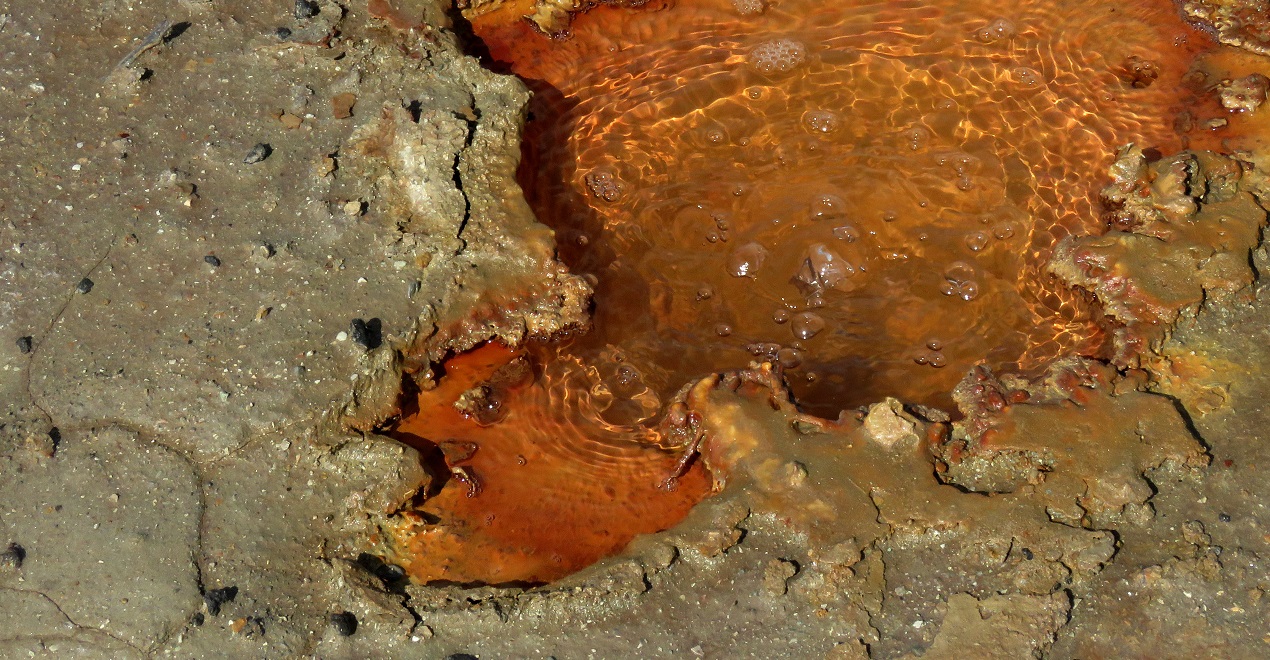
Nel luogo in cui i due gemelli furono generati tra vapori e fumi di zolfo, in realtà si trovavano due laghetti vulcanici oggi prosciugati - ma non per questo estinti! Di Lago Vulcano e Lago Naftìa esistono dipinti e testimonianze storiche, ma oggi non si possono più vedere in quanto sono stati interrati e coperti da strade e sentieri di campo. Se ne sente ancora l'odore di zolfo, però, di tanto in tanto. E non cresce nulla nella zona in cui un tempo i laghi ribollivano di fanghi caldi.

Anticamente, queste semi divinità erano considerate molto miracolose, sia dai Siculi che dai Greci e dai Romani dopo di loro. Ai Pàlici era dedicato il tempio di Paliké, situato a pochi metri dai laghi gemelli, e ad essi si portavano sacrifici affinché benedicessero il raccolto. Ma i Pàlici erano anche i protettori degli schiavi. Se un servo maltrattato, o accusato ingiustamente, si fosse rifugiato nel tempio di Paliké nessuno poteva toccarlo. Il padrone poteva farli uscire solo testimoniando, davanti ad altre persone, di trattarli bene da quel momento in poi.

Nessuno osava sfidare i Pàlici, perché tutti - anche i potenti - temevano le loro esplosioni di ira e soprattutto i loro fumi velenosi che uccidevano o accecavano chiunque osasse avvicinarsi troppo.  Era uso punire i prigionieri ribelli mettendoli con il viso sui laghi finché i vapori sulfurei non li avessero resi totalmente ciechi. Per questo, in zona, quando si vuol giurare per essere creduti si dice: "subra a vista di li me uocchi" (giuro sulla vista degli occhi) oppure "subra l'uocchi da Paliké". 

Intorno all'area archeologica di Paliké si è formato il paese di Palagonia, che è cresciuto durante il Medio Evo e poi si è sviluppato sotto il feudo spagnolo dei Gravina-Cruyllas, dal 1407 al 1854. Oggi Palagonia è un grosso centro agricolo, che offre tuttavia alcuni luoghi di interesse turistico. Non si possono più ammirare i laghetti dei Pàlici, ma potete visitare: il Museo dei Reperti Archeologici, i ruderi dell'Estatèrion, i resti della basilica paleocristiana di San Giovanni (VII secolo) ma soprattutto la bellissima chiesa-eremo di Santa Febronia. Risalente al VII secolo, fu affrescata nei secoli successivi (XVI- XVII ) con immagini del Cristo Pantocratore, Sant'Agata, Santa Lucia e il martirio della Santa Febronia. ---la foto sotto il titolo è di Sicilia Muse Culture, la foto in alto è del sito Uncovered Sicily. L'antico dipinto in basso, dal web.


"When God made the Fire Nymph fruitful, Palagonia was born!"

In the district of Catania there really is a town with this name, Palagonia. Name that almost certainly derives from a mythological legend linked to two mysterious gods ... the Palices. According to some Greek versions, the Palices were the twin sons of Zeus and Talia. Other legends, however, picture them as belonging to the cultures that existed in Sicily before the arrival of the Hellenics. In that case the two Palices would instead be the children of the Sicilian god Adranos, who joined to the nymph Etna and got her pregnant. 
In the place where the twins were generated between sulfur fumes and fire, there were two volcanic ponds now dried up - but not extinct! Lake Vulcano and Lake Naftìa do not exist anymore but there are paintings and historical testimonies about them. Though today they can no longer be seen, you can still smell the sulfur from time to time. And nothing grows in the area where the two lakes once boiled with hot mud.
In ancient times, these semi divinities were considered very miraculous, both by the Sicilians and by the Greeks and Romans after them. The Paliké temple was dedicated to the Palices, located a few meters from the twin lakes, and sacrifices were offered so they could bless the harvest. But the Palices were also the protectors of slaves. If a battered or unjustly accused servant had taken refuge in the temple of Paliké no one could touch him. The master could only let him out by testifying, in front of other people, to treat him well from that moment on.
Nobody dared to challenge the Palices, because everyone - even the rich ones - feared their outbursts of anger and above all their poisonous fumes that killed or blinded anyone who dared to get too close. It was customary to punish the rebel prisoners by putting them with their faces on the lakes until the sulphurous vapors made them totally blind. For this reason, in this part of Sicily, when you want to swear to be believed you say: "subra a vista di li me uocchi" (I swear on the sight of the eyes) or "on the eyes of Paliké".
The town of Palagonia was formed around the archaeological area of ​​Paliké. It grew during the Middle Ages and then developed under the Spanish fief of the Gravina-Cruyllas family, from 1407 to 1854. Today Palagonia is a large agricultural center, which however does offer some places of tourist interest. You can no longer admire the lakes of Palices, but you can visit: the Museum of Archaeological Finds, the ruins of the Estatèrion, the remains of the early Christian basilica of San Giovanni (7th century) but above all the beautiful church-hermitage of Santa Febronia. Dating to the 7th century, it was frescoed in the following centuries (16th to 17th) with images of Christ Pantocrator, St Agata, St Lucy and the martyrdom of St Febronia. --- the photo under the title is by Sicilia Muse Culture, the photo of the temple is from the Uncovered Sicily website (you  can read it in English too). The old painting from the web.

domenica 22 marzo 2020

Itinerario delle Chiese Basiliane di Sicilia - Basilian Churches

                           photos by Grazia M - Sicilia Muse Culture


Per chi non lo sapesse, San Basilio (330-379) fu il primo a ideare i monasteri così come li conosciamo oggi, ovvero luoghi di preghiera e meditazione ma anche di lavoro e di condivisione. Prima di lui, i monaci erano eremiti solitari che si chiudevano del tutto al mondo e dedicavano la vita solo alla preghiera e allo studio. La nuova regola di San Basilio istituì delle comunità autonome, indipendenti, in grado di vivere dei prodotti della terra e dell'allevamento, che consideravano il lavoro fisico sacro come la meditazione. Con San Basilio nasce il concetto delle "celle" monacali e anche l'arte della conoscenza dei benefici di piante e prodotti naturali.

In Italia, l'ordine basiliano fu riconosciuto soltanto nel XVI secolo ma in Sicilia questi monasteri esistevano già dal VII secolo dopo Cristo e portavano con sé l'impronta del periodo Bizantino. Alcune di queste chiese e i monasteri che hanno retto al tempo si possono visitare ancora oggi in un itinerario che copre in prevalenza le province di Messina, Catania ed Enna. Ecco quali sono le tappe dell'Itinerario delle Chiese Basiliane di Sicilia.

SAN PIETRO DECA a Torrenova (Messina) è una piccola cuba, unica testimonianza di un monastero che qui prosperò dal VI secolo dopo Cristo fino all'epoca Normanna.
SAN FILIPPO DI DEMENNA a Frazzanò (Messina) è ottimamente conservato, grazie ai restauri, che hanno mantenuto in piedi una struttura risalente all'anno 495 e poi rimaneggiata nell'anno Mille. Oggi è un centro culturale.
CUBA DI MILAZZO a Milazzo (Messina) una delle più recenti costruzioni basiliane risalente al XVI secolo, oggi si trova in centro cittadino, a ridosso di un ipermercato.
FORTE SAN SALVATORE a  Messina, sorge sulla "punta" della falce che forma il porto. Oggi è zona militare e si visita solo con permessi speciali, ma anticamente era un monastero basiliano e sede di archimandritato.
SANTA MARIA DI MILI a Mili San Pietro (Messina). Oggi in abbandono, è una delle più antiche chiese basiliane di Sicilia e risalirebbe all'anno 1090. Si trova tra le sterpaglie, sulla riva sinistra del letto del torrente Mili.
SANTO STEFANO a Santo Stefano Briga (Messina) è una cappelletta chiusa che sorge dentro l'abitato del paese ed è l'unica rimanenza di un grande monastero che qui sorgeva tra il 1130 e il 1144.
SANTI PIETRO E PAOLO a Itala (Messina) ottimamente conservata, questa incredibile chiesa risalente al 1093 si trova oggi in contrada Badia. Bellissime le tre navate con archi e volte di mattoni a slanciarla verso l'alto.


SANTI PIETRO E PAOLO D'AGRO a Casalvecchio Siculo (Messina), una spettacolare cattedrale risalente al 1117 edificata su un antico tempio basiliano dell'anno 560. La chiesa presenta ancora la struttura fortificata del tempo, la gradevole alternanza di colori data dai diversi mattoni usati e l'architettura ad archi e volte che dividono le sue tre navate. Visibile la firma orgogliosa dell'architetto normanno, Gherardo il Franco.
MONTE CASTELLACCIO a Gallodoro (Messina) è una contrada dove un tempo esisteva un grande monastero basiliano. Oggi l'edificio è del tutto scomparso, ma restano ancora ruderi e fondamenta di alcuni locali.
SAN MICHELE AL FULGERINO a Piedimonte Etneo (Catania) piccola cappella che ricorda l'esistenza del più antico monastero, forse distrutto nel XVI secolo.
SAN GIOVANNI PSYCRO a Randazzo (Catania) grande monastero che sorgeva nelle attuali contrade Feudo-Imbischi e Acqua Fredda intorno all'anno Mille. Oggi restano solo alcuni ruderi dell'edificio, tra cui i più imponenti sono le due absidi di contrada Feudo-Imbischi.
SANTA MARIA DI MANIACE tra Maniace e Bronte (Catania) - è la chiesina che si trova oggi dentro il perimetro del cosiddetto "castello di Nelson". A differenza dell'edificio residenziale che ha cambiato forma nei secoli, la chiesa rispecchia fedelmente lo stile della sua fondazione nel XII secolo. Visitabile e ancora fruibile per le celebrazioni.
SAN MICHELE ARCANGELO di Troina (Enna) l'edificio originale risalirebbe al 1080 sebbene oggi il monastero presenti lo stile del rifacimento avvenuto nel XVII secolo. I ruderi rimasti in piedi testimoniano solo in parte la vastità di questo luogo, che copriva 8000 metri quadri di superficie e che sicuramente comprendeva una ricchissima biblioteca.


The culture and tradition of the Basilian monks in Sicily dates back to centuries ago. Not everyone knows that St Basilius (330-379) was the first to conceive the monasteries as we know them today, that is places of prayer and meditation but also of work and community sharing. Before him, the monks were solitary hermits who closed themselves completely to the world and dedicated their lives only to prayer and study. The new rule of Basilius established autonomous, independent communities able to live on the products of agriculture and breeding. Physical work was now considered as sacred  as meditation. With St Basilius the concept of monastic "cells" and also the art of knowledge and use of the benefits of plants started. In Italy, the Basilian order was recognized only in the 16th century but in Sicily these monasteries already existed since the 7th century AD and carried with them the imprint of the Byzantine period. Some of these churches and the monasteries that have held up to the time can still be visited today in an itinerary that mainly covers the provinces of Messina, Catania and Enna. Here are the stages of the Itinerary of the Basilian Churches of Sicily.


SAN PIETRO DECA in Torrenova (Messina) is a small cubic chapel, the only testimony of a monastery that existed here from the 6th century AD until the Norman era.

SAN FILIPPO DI DEMENNA in Frazzanò (Messina) is excellently preserved, thanks to the restorations, which have maintained a structure dating back to the year 495. It was then remodeled in the year 1000. Today it is a cultural center.

CUBA DI MILAZZO in Milazzo (Messina) one of the most recent Basilian buildings dating back to the 16th century, today is located in the city centre, very close to a shopping mall.

FORTE SAN SALVATORE in Messina, stands on the "tip" of the sickle that forms the port. Today it is a military area and can only be visited with special permits, but in ancient times it was a Basilian monastery and archimandrite bishop seat.

SANTA MARIA DI MILI in Mili San Pietro (Messina). Today abandoned, it is one of the oldest Basilian churches in Sicily and dates back to the year 1090. It is located among the brushwood, on the left bank of the bed of the Mili creek.

SANTO STEFANO in Santo Stefano Briga (Messina) is a closed chapel that rises inside the town itself, and is the only ruin of a large monastery that stood here between 1130 and 1144.

SANTI PIETRO E PAOLO in Itala (Messina) excellently preserved, this beautiful church dating back to 1093 is located today in the Badia village. The three naves with arches and brick vaults are very beautiful, making the whole building look as rising upwards.


SANTI PIETRO AND PAOLO D'AGRO in Casalvecchio Siculo (Messina), a spectacular cathedral dating back to 1117 built on an ancient Basilian temple's structure of the year 560. The church still has the fortified structure of the time. The pleasant alternation of colours given by the different bricks used and the architecture with arches and vaults divide its three naves. The proud signature of the Norman architect who built it, Gherardo il Franco, is visible.

MONTE CASTELLACCIO in Gallodoro (Messina) is a place in the country  where once used to be a large Basilian monastery. Today the building has completely disappeared, but the ruins and foundations of some rooms still remain.

SAN MICHELE AL FULGERINO in Piedimonte Etneo (Catania) is a small chapel that recalls the existence of the oldest monastery, perhaps destroyed in the 16th century.

SAN GIOVANNI PSYCRO in Randazzo (Catania), was a large monastery that stood in the current Feudo-Imbischi and Acqua Fredda districts around the year 1000. Today only a few ruins of the building remain, among which the most impressive are the two apses you can see at Feudo-Imbischi.

SANTA MARIA DI MANIACE between Maniace and Bronte (Catania) - is the little church located today within the perimeter of the so-called "Nelson's castle". Unlike the residential building that has changed shape over the centuries, the church faithfully reflects the style of its foundation in the 12th century. Visitable and still used for celebrations.

SAN MICHELE ARCANGELO at Troina (Enna) the original building would date back to year 1080 although today the monastery has the style of the restoration that took place in the 17th century. The ruins left standing today testify only in part to the big size of this place, which surely covered 8000 square meters of surface and certainly included a very rich library.