Visualizzazione post con etichetta arabi. Mostra tutti i post

sabato 6 agosto 2022

Arabamazara


Mazara del Vallo, veduta aerea (foto dal web)


Quando i più beceri politici di mentalità retrograda incitavano la popolazione all'odio contro i musulmani, parlando di terroristi e di aggressori, di "pericolo invasione" e di "immigrati infedeli" credo che molta gente di Mazara del Vallo si sia guardata intorno, perplessa e abbia pensato: ma di che stanno parlando? 

Se vi guardate intorno, a Mazara del Vallo, infatti, vedrete siciliani e tunisini camminare fianco a fianco da anni. Lavorano insieme, mangiano le stesse cose, parlano la stessa lingua. I loro figli studiano insieme, crescono insieme, si sposano tra loro senza alcun problema. I politici retrogradi parlano di "seconde generazioni" pensando ai figli dei migranti nati qui negli ultimi 20 anni ... ma a Mazara cognomi come Abdullah, Mansour, Khalifi esistono da 70 anni! Se i musulmani fossero davvero questo pericolo terribile,  Mazara - 4000 musulmani su 50.000 cattolici cristiani - dovrebbe essere la città più criminale della nazione, quella più a rischio attentati, quella più insicura. Ma non lo è.

Perchè Mazara, secoli prima di ogni propaganda politico-medievale, aveva già un cuore arabo. Era stata città araba durante la grande dominazione islamica della Sicilia (secoli VIII-X) e non ha mai dimenticato quella impronta. Il cuore arabo lo ha anche oggi.

Il quartiere cosiddetto "della Kasbah", a ridosso del porto, è il quartiere degli arabi da tempo immemore. E lo è ancora adesso. Qui le moschee sorgono all'ombra dei campanili cristiani, le processioni dei santi patroni camminano in mezzo a decorazioni islamiche che riproducono versetti del Corano. I pescatori tunisini, che nel corso degli ultimi 200 anni, hanno popolato sempre più questa città mantenendo alta l'efficienza della flotta peschereccia più grande del Mediterraneo, sono mazaresi ormai da tempo. Qui non serve lo "ius soli", non hanno bisogno di uno "ius scholae". Perchè qui basta essere uomini e donne per essere parte di una comunità. Senza colori, senza etichette, senza differenze. Lo insegnano anni e anni di condivisione, di inclusione, di lavoro fianco a fianco e di reciproco scambio di tradizioni e di idee. Questa è Mazara del Vallo, in Sicilia. Nel 2022. La città più "araba" d'Italia. E non potrebbe essere più bella, più moderna e più vera di così.


photo by Turistipercaso.it 


When the most vulgar narrow-minded politicians incited the population to hatred against Muslims, speaking of terrorists and aggressors, of "dangerous invasion" and of "infidel immigrants", I believe that many people of Mazara del Vallo looked around, surprised. and thought: what are they talking about?

If you look around in Mazara del Vallo, in fact, you will see Sicilians and Tunisians walking side by side for years. They work together, they eat the same things, they speak the same language. Their children study together, grow up together, marry each other without any problems. Retrograde politicians speak of "second generations" thinking of the children of migrants born here in the last 20 years ... But in Mazara surnames such as Abdullah, Mansour, Khalifi have existed for 70 years! If Muslims really were this terrible danger, Mazara - 4,000 Muslims out of 50,000 Christian Catholics - should be the most criminal city in the nation, the one at highest risk of attacks, the most insecure. But it is NOT.

Because Mazara, centuries before any political medieval propaganda, already had an Arab heart. It had been an Arab city during the great Islamic domination of Sicily (8th-10th century AD) and has never forgotten that mark. It has a Arab heart still today.

The so-called "Kasbah" quarter, close to the port, has been the quarter of the Arabs for ages! And it still is now. Here, the mosques rise in the shadow of the Christian bell towers, the processions of the patron saints walk through Islamic decorations that reproduce verses from the Koran. Tunisian fishermen, who over the last 200 years have increasingly populated this city while maintaining the efficiency of the largest fishing fleet in the Mediterranean, have been mazarese for some time now. There is no need for any "brand new law" for citizenship, here. Because here it is enough to be men and women to be part of a community. Without colors, without labels, without differences. Years and years of sharing, inclusion, working side by side and mutual exchange of traditions and ideas have taught them this. Welcome to Mazara del Vallo, in Sicily. In 2022. The Arab-most city in Italy. And it couldn't be more beautiful, more modern and more real than this.


venerdì 14 gennaio 2022

Arabi, Normanni, Ebrei ... perchè la Sicilia deve ringraziarli


photo Sicilia MC

La Sicilia ha radici molto antiche e ha mescolato dentro di sé decine di culture diverse. Noi raccontiamo la storia a partire dai Greci, ma prima ci sono state altre civiltà. E tante altre sono vissute tra una conquista e l'altra, a volte silenziose, nascoste sotto altri nomi e altre lingue. Degli Arabi e dei Normanni, per esempio, ricordiamo le grandiose architetture ancora visibili soprattutto nella zona occidentale dell'isola. Ma ci sono stati anche i Berberi, e gli Ebrei - molti di origine magrebina, arrivati insieme agli islamici - che hanno lasciato tracce importanti nella nostra cultura. Ecco perchè dobbiamo dire grazie, ancora oggi, a queste culture. Non solo per l'architettura. Alcuni motivi vi stupiranno.

COSA CI HANNO LASCIATO GLI ARABI:

molte tecniche agricole, molte attrezzature per lavorare la terra e i nomi che ancora oggi le identificano (gebbia, saja, giarra); molte colture nuove come lo zafferano, l'anice, il sesamo; il gusto particolare per la carne di cavallo. Ci hanno lasciato il sistema amministrativo del territorio suddiviso per province (i famosi "Val"). Sono Arabi ancora oggi molti cognomi siciliani (Zappalà, Badalà, Musumeci, Alì) e i nomi di moltissime città e paesi. 

Ma ci hanno lasciato anche le storie e la figura di Giufà (Ja'har, Jafar), l'imbranato per eccellenza da portare ad esempio ai bambini affinché non facciano errori nella vita! Viene dagli Arabi anche l'usanza del "corno rosso": pare fosse loro tradizione legare un corallo al collo dei neonati per augurare loro fortuna e lunga vita!

COSA CI HANNO LASCIATO I BERBERI: 

molto probabilmente ci hanno lasciato loro la tradizione del couscous, che oggi è uno dei piatti forti della tradizione siciliana. In particolare ci hanno insegnato a condirlo con cacciagione e verdure.

COSA CI HANNO LASCIATO I NORMANNI:

oltre alle tanto famose architetture, e ai loro tratti somatici nordici che ancora appaiono nei bambini che nascono tra Messina, Enna e Caltanissetta, i Normanni ci hanno lasciato cognomi come Ribaudo, Rinaudo, Frudà, Grimaldi, Orlando. Ci hanno insegnato a essiccare il pesce e a ottenere lo stoccafisso, "u pisci stoccu" di cui specialmente Messina va tanto ghiotta. 

Sono eredità Normanna le forchette e alcuni tipi di coltelli, introdotti in Sicilia molto prima che nel resto d'Italia. Ma soprattutto, dobbiamo ringraziare i Normanni per la nostra tradizione dei ricchi pranzi della domenica, i pranzi della nonna, i pranzi di Natale con cinque, sei, o anche più portate. Questi banchetti che lasciano senza fiato furono introdotti dai signori del nord nei loro castelli, e spesso venivano aperti anche alla popolazione. Ci hanno insegnato che ... mangiare tanto, è bello!

COSA CI HANNO LASCIATO GLI EBREI:

gli Ebrei sono entrati in Sicilia insieme agli Arabi nel X secolo, provenienti dal Maghreb. E sono rimasti qui fino al 1492 e anche oltre, per qualche anno. La loro cultura, "mascherata" da cultura araba, ci ha lasciato moltissimo a livello gastronomico. Grazie agli Ebrei, noi siciliani amiamo oggi mangiare il pesce azzurro; grazie a loro abbiamo l'abitudine di soffriggere l'aglio nell'olio; grazie a loro mangiamo cose come le melanzane infornate e condite con l'olio, la caponata, i carciofi all'aglio e i dolci a base di mandorle.

Ma dobbiamo essere grati agli Ebrei siciliani, loro malgrado, anche per la diffusione del culto della Madonna della Catena. Questa devozione, nata a Palermo nel XIV secolo, indicava Maria che libera dalle catene della prigionia. Dopo la cacciata degli Ebrei, nel XVI secolo, sulle fondamenta delle loro sinagoghe vennero costruite decine di chiese dedicate alla Madonna della Catena. Questo perchè i Cristiani "ringraziavano Maria di averli liberati dalla depravazione giudaica". Una dedica crudele, di cui oggi non si può certo andare fieri. Ma che di fatto ha contribuito a diffondere una festa, e una tradizione, che altrimenti sarebbe rimasta per sempre solo nel palermitano.

******

Sicily has very ancient roots. It has mixed dozens of different cultures within itself. We tell the story starting with the Greeks, but before that there were other civilizations. And many others lived between one conquest and another, sometimes silent, hidden under other names and other languages. Of the Arabs and Normans, for example, we remember the grandiose architecture still visible in the western area of ​​the island. But there were also the Berbers, and the Jews - many of Maghrebi origin, who arrived together with the Muslims - who left important traces in our culture. This is why we must say thanks, even today, to these people. Not just for architecture. Some reasons will really amaze you.

WHAT THE ARABS GAVE US:

many agricultural techniques, many equipment for working the land and the names that still identify them today (gebbia, saja, giarra); many new crops such as saffron, anise, sesame; the particular taste for horse meat. They gave us the administrative system of the territory divided by provinces (the famous "Val"). Many Sicilian surnames (Zappalà, Badalà, Musumeci, Alì) and the names of many cities and towns are still Arabs today.

But they also left us the stories and the figure of Giufà (Ja'har, Jafar), the clumsy boy par excellence to give as an example to children, so that they do not make mistakes in life! The custom of the "red horn" to bring good luck also comes from the Arabs. It seems it was their tradition to tie a coral around the neck of babies to wish them luck and long life!


WHAT THE BERBERS GAVE US:

most likely they left us the tradition of cooking couscous, which today is one of the strongest dishes of the Sicilian food tradition. In particular, they taught us to season it with chicken or lamb meat and vegetables.


WHAT THE NORMANS GAVE US:

in addition to the famous architectures, and their Nordic features that still appear in children born between Messina, Enna and Caltanissetta, the Normans gave us surnames such as Ribaudo, Rinaudo, Frudà, Grimaldi, Orlando. They taught us how to dry fish and how to obtain stockfish, "u pisci stoccu"  which Messina especially is so fond of.

Forks and some types of knives, introduced in Sicily much earlier than in the rest of Italy, are Norman heritage. But above all, we have to thank the Normans for our tradition of rich Sunday lunches, grandmother's lunches, Christmas lunches! The tradition of eating with five, six, or even more courses in breathtaking banquets was introduced by the lords of the north. They used to do so in their castles, and often opened to the population as well. We were taught that ... eating a lot is beautiful!

WHAT THE JEWS GAVE US:

the Jews entered Sicily together with the Arabs in the 10th century, coming from the Maghreb. And they stayed here until 1492 and beyond, for a few years. Their culture, "disguised" as Arab culture, has given us a lot as far as food is concerned. Thanks to the Jews, we Sicilians today love to eat small Mediterranean blue fish; thanks to them we have the habit of frying garlic in oil. Thanks to them we eat baked aubergines seasoned with oil, or the caponata, or the garlic flavoured artichokes and almond-based desserts.

But we must be grateful to the Sicilian Jews, despite themselves, also for the spread of the cult of Our Lady of the Chains. This special devotion for the Virgin Mary, started in Palermo in the 14th century, indicated her while breaking the chains of prisoners. After the expulsion of the Jews, in the early 16th century, dozens of churches dedicated to Our Lady of the Chains were built on the foundations of their synagogues. This was because the Christians "said thank you to Mary for having freed them from the Jewish depravity". A cruel dedication, this one, which today we certainly cannot be proud of. But which in fact contributed to spreading a celebration, and a tradition, which otherwise would have remained forever only in the Palermo area.

venerdì 9 ottobre 2020

Terme Islamiche di Cefalà Diana - The Arab Bath


photo SICILIA MC   2020


Perfino per i siciliani questo nome - Cefalà Diana - è un mistero. Molti non lo avevano mai sentito nominare prima d'ora, eppure in questo minuscolo comune del palermitano (1000 abitanti appena) sorge l'unica testimonianza dell'utilizzo di bagni termali anche in epoca araba.

Si sospettava che gli arabi di Sicilia usassero le terme, ereditate dalla tradizione romana, ma non erano rimaste prove evidenti di questo costume. Gli scavi condotti appena fuori dall'abitato di Cefalà Diana, invece, hanno riportato alla luce un edificio straordinario. Strutturato esattamente come le antiche terme romane - con una vasca per il bagno caldo, una per il bagno freddo e una intermedia - l'edificio dei cosiddetti "Bagni" presenta una splendida architettura islamica. Sicuramente il convogliamento delle acque termali è opera dei romani, ma le mura, le finestre, la volta che copre le vasche sono tipicamente orientali.

Gli studi condotti sui ritrovamenti hanno confermato che quelle terme erano utilizzate in epoca araba, dunque tra il IX e l'XI secolo, elemento che le rende un monumento prezioso e unico. Una curiosità: le acque termali sgorgano dal terreno a 38°C ma oggi vengono immesse nelle vasche tramite un complesso sistema di tubature moderne, che toglie un po' di magia! 


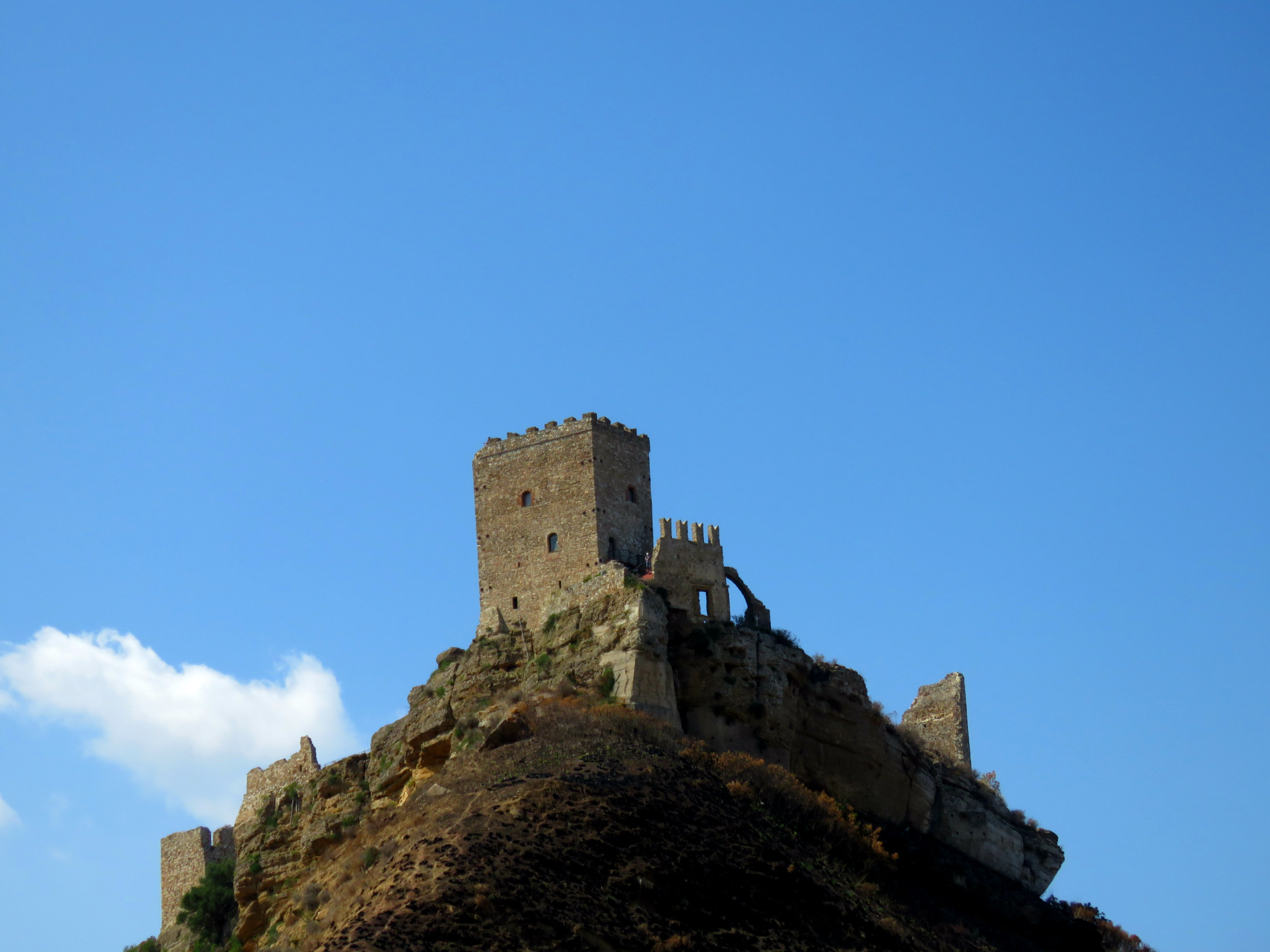
L'accesso è gratuito, ma non sempre è possibile visitarle. Bisogna attendere alcuni eventi particolari in favore del patrimonio culturale (Le Primavere del FAI, le Vie dei Tesori) oppure prenotare per tempo presso il Comune. Gratis anche l'ingresso al bellissimo castello normanno, situato a pochi chilometri di distanza dalle terme. Del maestoso edificio situato sul  Pizzo Chiarastella (670 metri) resta in piedi, ed è visitabile, solo il torrione (donjon) centrale.

Per raggiungere Cefalà Diana: tramite autostrada A19 Palermo-Catania, uscendo o ad Altavilla Milicia oppure a Casteldaccia: la distanza da entrambi i caselli è di 17 km, seguendo le indicazioni verso Agrigento. (foto a cura di Sicilia Muse Culture)


Even for Sicilians this name - Cefalà Diana - is a mystery. Many had never heard of it before, yet in this small town in the Palermo area (just 1000 inhabitants) there is the only evidence of the use of thermal baths even in the Arab age. Scholars suspected that the Arabs of Sicily used the baths, inherited from the Roman tradition, but there was no clear evidence of this custom. The excavations conducted just outside the town of Cefalà Diana, on the other hand, have brought to light an extraordinary building. Structured exactly like the ancient Roman baths - with a hot pool, a cold pool and an intermediate one - the building of the so-called "Bagni" features splendid Islamic architecture. It is sure that the conveyance of the thermal waters is the work of the Romans, but the walls, the windows, the vault that covers the pools were completed later in a typically oriental style.

Studies conducted on the findings have confirmed that those baths were used in the Arab era, therefore


between the 9th and 11th centuries. An element, this one, that makes them a precious and unique monument. A funny curiosity: the thermal waters come to surface at 38 ° C but today they are introduced into the pools through a complex system of modern pipes, which takes away a bit of the magic! Entrance is free, but it is not always possible to visit them. You have to wait for some special events in favour of cultural heritage (The Spring Events of the FAI association, the Vie dei Tesori...) or book in time by contacting  the local Municipality. The entrance to the beautiful Norman castle, located a few kilometers away from the thermal baths, is also free. Of the majestic building on top of Pizzo Chiarastella (670 meters h.), only the central tower
(donjon) remains standing and can be visited.

To get to Cefalà Diana: drive along the A19 Palermo-Catania motorway, exit either at Altavilla Milicia or at Casteldaccia. The distance from both to Cefalà Diana is 17 km, following the signs towards Agrigento. (all photos by Sicilia Muse Culture)